20 Flower Bed Ideas for the Front of Your Home
Your front yard is the first handshake your home gives to the world. It tells visitors (and passersby) who you are before they even ring the bell.
A thoughtfully designed flower bed doesn’t just add color—it adds personality, charm, and curb appeal.
Whether you’re working with a spacious lawn or a cozy front porch, these 20 creative flower bed ideas will help you turn your home’s exterior into a welcoming, colorful masterpiece.
1. Curved Flower Beds for Natural Flow
If your garden feels too rigid or boxy, introduce curved flower beds to soften the lines.
Curves create a more organic, natural feel that draws the eye effortlessly across the yard. Think of it like painting with flowers—the arcs guide attention toward your front door or key features of your landscape.
Use low-growing flowers along the edges (like alyssum or creeping thyme) and taller blooms toward the center (like coneflowers or salvia). According to landscape design principles, curved lines can make small spaces feel larger by adding visual movement.
A personal tip: use a garden hose to outline your curve before digging—it helps you visualize the flow before committing.
2. Raised Stone Flower Beds
For homeowners who love structure and texture, raised stone flower beds add instant sophistication. Stones or bricks give definition and elevate your flowers—literally and aesthetically.
They also help with drainage, which is crucial for plant health. Choose stones that complement your house’s color—gray slate for modern homes or warm sandstone for rustic vibes.
I once helped a neighbor build a raised bed with weathered limestone; it turned her plain front yard into something straight out of a countryside postcard.
3. Mix Perennials and Annuals
A front yard should look alive year-round. Combine perennials (plants that return every year) with annuals (those that bloom for a season) for a consistent yet ever-changing landscape.
Perennials like daylilies, lavender, and hostas provide structure. Annuals—think petunias, marigolds, or begonias—bring bursts of seasonal color. This mix ensures your flower bed never looks empty, even in transition months.
Fun fact: According to the National Gardening Association, homeowners who mix perennials and annuals spend 25% less on maintenance each year compared to single-type plantings.
4. Border Flower Beds Along Walkways
A flower bed bordering your walkway is like rolling out a floral red carpet for guests. It frames the path and adds structure without clutter.
Low-growing flowers such as lobelia, alyssum, or dwarf zinnias work well to keep things tidy while still vibrant. If your walkway gets plenty of sun, add a few lavender plants for both beauty and fragrance.
Pro tip: Use symmetry on both sides of your path—it creates a sense of order that naturally feels welcoming.
5. Layered Flower Beds for Depth
Designing your flower bed in layers adds dimension and makes it look professionally planned. Start with taller plants (like hydrangeas or ornamental grasses) in the back, medium-height flowers in the middle, and shorter plants in the front.
The layering technique prevents smaller blooms from being overshadowed and gives the garden a sense of fullness. It’s like arranging a choir—each plant has its part to sing, but together, they create harmony.
6. Cottage-Style Flower Beds
If you love a charming, slightly wild look, go for cottage-style flower beds. These are full, colorful, and a little unstructured—but that’s the beauty. Mix roses, daisies, lavender, foxgloves, and delphiniums for a whimsical blend.
This style feels like stepping into an English countryside. Use natural materials like wooden borders or stone edges to keep it authentic.
Personal story: I once recreated a cottage garden using thrifted ceramic pots and wildflower seeds. By midsummer, it looked like a Monet painting in bloom.
7. Flower Beds Around Trees
Don’t let your front yard trees stand alone—frame them with flowers. A circular or oval bed around a tree trunk softens the look and adds visual balance.
Choose shade-tolerant plants like hostas, impatiens, and ferns for under-tree beds. Add a mulch layer to retain moisture and give it a polished finish.
Pro tip: Keep a 6-inch gap between flowers and the trunk to prevent root competition and rot.
8. Rock and Succulent Flower Beds
For low-maintenance beauty, try a rock and succulent flower bed. This combination brings texture, resilience, and modern flair to your front yard.
Use river stones or gravel as ground cover and mix in succulents like echeveria, hens-and-chicks, and sedum. These plants require minimal watering and thrive in sunny spots.
According to water conservation studies, xeriscaping (low-water landscaping) can reduce outdoor water use by up to 60%, saving money and the planet at once.
9. Symmetrical Front Yard Beds
Symmetry creates balance and visual order. If your home has a traditional or colonial design, symmetrical flower beds—matching arrangements on each side of your entrance—enhance its formal appeal.
Use boxwoods, tulips, or hydrangeas to maintain a classic aesthetic. Even spacing and repetition make the front yard feel well-composed.
Design secret: repetition brings calm. The eye loves patterns—it’s the same reason we find waves soothing.
10. Edible Flower Beds
Who says flower beds are just for show? Combine beauty and utility with edible flower beds. Intermix colorful herbs and edible blooms like nasturtiums, chives, and calendulas.
They not only look stunning but can also be used in your kitchen. A nasturtium salad or lavender lemonade straight from your garden? That’s a front-yard flex worth bragging about.
Plus, pollinators love them. According to a study by the Xerces Society, gardens with edible flowers attract 30% more bees than standard ornamental gardens.
11. Brick-Edged Flower Beds
Brick-edged beds define space neatly and add a classic touch that complements most home styles. Bricks act as both a design element and a weed barrier.
Set bricks diagonally for a vintage look or horizontally for a clean finish. Fill the bed with contrasting colors—like deep purple salvia against red brick—for a stunning pop.
This approach is particularly durable and withstands all weather, making it ideal for long-term landscaping.
12. Monochrome Flower Beds
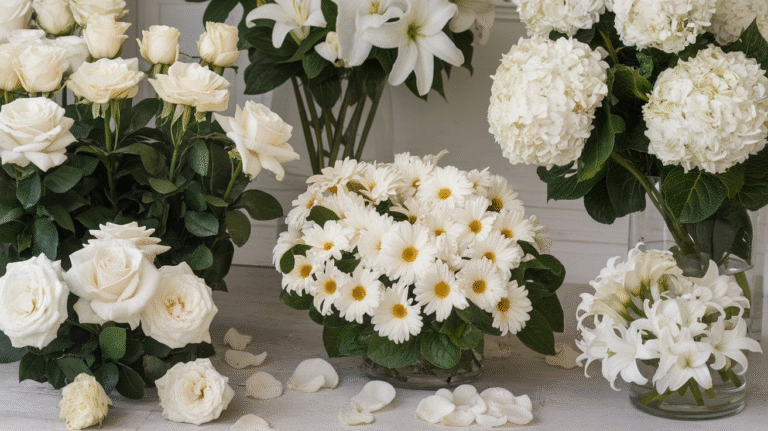
If you prefer simplicity over chaos, go for monochrome flower beds—different shades of the same color family. For example, combine light pink roses, dark pink petunias, and blush peonies for a harmonious pink garden.
Monochrome palettes look sophisticated and are easier to coordinate. They’re also perfect for smaller spaces, creating a cohesive, calming feel instead of visual overload.
Think of it as painting with gradients—soft, consistent, and quietly powerful.
13. Flower Beds with Lighting
Add magic to your flower beds with garden lighting. Soft uplighting beneath taller plants or solar lights outlining the borders turns your garden into a nighttime masterpiece.
Warm white lights enhance the natural colors of flowers and provide safety for walkways. Studies show that outdoor lighting can increase curb appeal by 20% to 30%, which is significant if you ever plan to sell your home.
It’s like giving your flowers their own spotlight—they deserve it.
14. Container Flower Beds
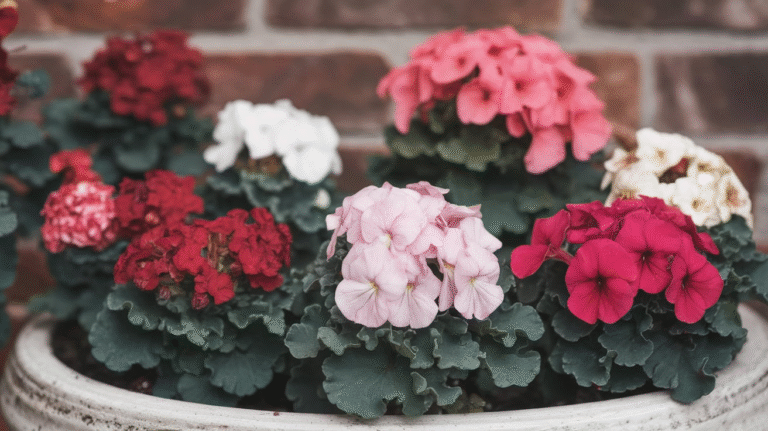
If you’re short on space or prefer flexibility, container flower beds are your best friend. Arrange large pots or troughs with different plant combinations to mimic a traditional flower bed.
Mix textures: a tall plant in the center, medium flowers around it, and trailing vines spilling over the edges. Container beds allow you to move flowers seasonally or adjust your design anytime you want.
Plus, they’re easier on your back—no bending or digging required.
15. Vertical Flower Beds
Running out of ground space? Go vertical. Vertical flower beds use walls, trellises, or fences to create a layered bloom effect.
This method works perfectly near porches or narrow front yards. Climbing roses, morning glories, or ivy pair beautifully with smaller hanging baskets below.
It’s not just visually impressive; vertical gardening also improves air circulation and reduces pests since plants aren’t crowded on the ground.
16. Seasonal Flower Beds
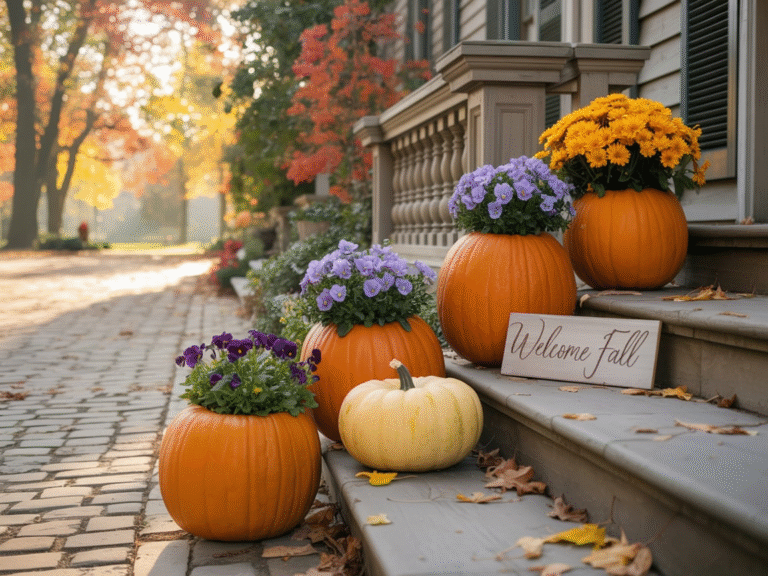
Create seasonal beds that change with the time of year. In spring, fill your bed with tulips, daffodils, and pansies. Come summer, swap them for zinnias and marigolds. Fall could feature mums and asters.
This rotation keeps your yard dynamic and prevents the dullness that comes when flowers die out between seasons. It’s like updating your home’s outfit four times a year.
According to the American Horticultural Society, rotating plants seasonally helps maintain soil health and deters pests naturally.
17. Butterfly and Pollinator Flower Beds
If you want your front yard to buzz with life, plant a pollinator-friendly flower bed. Choose blooms rich in nectar and pollen: lavender, echinacea, milkweed, and bee balm are great choices.
Not only do these flowers attract butterflies and bees, but they also contribute to local ecosystems. With pollinator populations declining globally, your small garden can make a meaningful impact.
Plus, watching butterflies flutter around your flowers is pure, everyday magic.
18. Gravel and Wildflower Combo
For a low-maintenance yet stunning aesthetic, pair gravel beds with wildflowers. Use pea gravel as ground cover and plant resilient wildflowers like black-eyed susans, cosmos, and blanket flowers.
This design mimics natural meadows and thrives even with minimal care. Wildflowers self-seed, meaning they’ll come back stronger each year.
Bonus: gravel suppresses weeds and improves drainage, keeping your front yard tidy with minimal effort.
19. Corner Flower Beds
If your front yard feels empty, corner flower beds can anchor the space and add balance. Corners often go unnoticed, but when filled with flowers, they frame your home beautifully.
Use taller shrubs or ornamental grasses in the back and colorful annuals in the front. It draws the eye diagonally across your yard, making it look fuller and more dynamic.
Even small corners can shine with the right plant mix and a little mulch for structure.
20. Modern Minimalist Flower Beds
If your home has a sleek, modern façade, go for minimalist flower beds. Focus on symmetry, clean lines, and restrained color palettes. Use boxwood hedges, white tulips, or ornamental grasses for simplicity.
Less is more in this design style. The goal is not abundance, but balance and form. Concrete or metal planters work well to maintain that modern edge.
According to contemporary landscaping trends, minimalist front yards have risen 40% in popularity over the last five years, especially among urban homeowners.
Conclusion
Your front yard is more than a patch of grass—it’s an introduction, a reflection of your style, and an invitation. Whether you prefer the structured look of raised stone beds or the wild charm of cottage gardens, these 20 creative flower bed ideas can help you design a space that truly feels like home.
The secret to a great flower bed lies in balance—between colors, heights, and textures. Mix perennials for longevity, annuals for vibrancy, and structural plants for definition. Don’t be afraid to experiment; gardening is part science, part art, and all heart.
According to the National Association of Realtors, well-designed landscaping can increase property value by up to 15%—but beyond numbers, a beautiful flower bed brings something more valuable: pride every time you pull into your driveway.