25 Contemporary Room Ideas
When you walk into a contemporary room, there’s this instant calm — clean lines, balanced colors, and just enough texture to make you want to stay.
It’s modern without being cold, stylish without shouting for attention. Designing a contemporary room is all about achieving effortless harmony between functionality and aesthetics.
In this guide, we’ll walk through 25 contemporary room ideas that’ll help you turn any space into a modern sanctuary.
These aren’t cookie-cutter concepts — they’re practical, proven, and a bit personal. Ready? Let’s start decorating like it’s 2025.
1. Embrace Minimalism as a Lifestyle
Contemporary design thrives on minimalism, but not the cold, empty kind. It’s about having just enough — furniture that serves a purpose, colors that complement, and open spaces that let you breathe. Think of minimalism as a curated art gallery for your life.
When you declutter, your mind relaxes. Studies from the Princeton Neuroscience Institute show that physical clutter competes for your attention, leading to stress and reduced productivity. So, start by removing what you don’t use, keep only what adds value, and enjoy the mental peace that comes with visual calm.
2. Prioritize Neutral Color Palettes
Neutral tones are the backbone of contemporary design. Shades of white, gray, taupe, beige, and soft blacks create the perfect base for modern interiors. They let your furniture and decor shine without competing for attention.
If you’re worried about things looking too bland, add texture instead of color. Linen curtains, jute rugs, and soft wool throws add warmth without disrupting the color flow. Personally, I once swapped my colorful walls for a soft taupe, and suddenly my living room looked twice as big and infinitely more serene.
3. Let Natural Light Take the Stage
You can’t have a truly contemporary room without natural light. It’s like the secret ingredient that ties everything together. Large windows, sheer curtains, and reflective surfaces amplify brightness and make even small rooms feel spacious.
According to research by the World Green Building Council, daylight exposure improves mood and productivity by 15–20%. If you don’t have large windows, fake it — use mirrors strategically to bounce light around or choose light-toned flooring to reflect brightness.
4. Choose Functional Furniture with Clean Lines
Forget ornate carvings or bulky frames. Contemporary furniture is all about sleek silhouettes and functionality. Go for low-profile sofas, open shelving, and multi-purpose tables that balance form and purpose.
Modular furniture is particularly popular today. A study by Statista predicts the modular furniture market will reach $48 billion by 2028, proving that adaptability is the new luxury. Furniture that moves and changes with your needs isn’t just trendy — it’s smart living.
5. Add Depth with Layered Lighting
Lighting is the unsung hero of interior design. In a contemporary room, you want three layers: ambient (general light), task (focused light), and accent (decorative light). A combination of recessed lights, floor lamps, and pendant fixtures works wonders.
Try dimmable LEDs — they save up to 85% more energy and last longer than traditional bulbs. Plus, being able to adjust your lighting lets you shift the room’s vibe from morning productivity to evening relaxation with a single touch.
6. Incorporate Natural Materials
Contemporary doesn’t mean sterile. Bring warmth into your space with wood, stone, and organic fibers. A walnut coffee table, a marble countertop, or a woven jute rug instantly softens the sleek edges of modern design.
Mix materials thoughtfully. For example, pair a matte black metal lamp with a wooden side table. This contrast creates balance — the industrial meets the organic — which is what makes contemporary rooms feel alive rather than artificial.
7. Highlight Statement Art Pieces
Contemporary rooms often act as quiet canvases that let art speak loudly. Choose one or two statement pieces — maybe a large abstract painting, a black-and-white photograph, or even a sculptural installation.
A bold artwork becomes a conversation starter. In one of my old apartments, I hung a massive abstract painting above the sofa. Every visitor had an interpretation, and it turned the room into an evolving dialogue.
8. Play with Geometric Patterns
While minimalism is key, a touch of geometry adds sophistication. Rugs, wall decor, or cushions with angular or circular patterns bring energy and visual rhythm.
Don’t go overboard — balance is crucial. Too many patterns can overwhelm a space. A single geometric rug or a patterned throw pillow can be enough to anchor the look.
9. Keep Technology Subtle
Contemporary living embraces technology — but with discretion. Hide cables, mount your TV flush to the wall, and integrate smart lighting or thermostats into your design.
Smart homes aren’t just futuristic; they’re efficient. According to Statista, the global smart home market is expected to exceed $230 billion by 2028. The goal isn’t to show off gadgets but to create a seamless, invisible layer of comfort.
10. Choose Open Layouts for Flow
Walls divide energy. Contemporary rooms, on the other hand, thrive on open layouts that allow natural flow. Combine your living and dining areas or use sliding glass doors instead of solid walls.
Open layouts encourage connection. Whether you’re hosting guests or just moving around freely, the space feels collaborative and breathable — a reflection of modern lifestyles where boundaries blur.
11. Use Mirrors to Expand Space
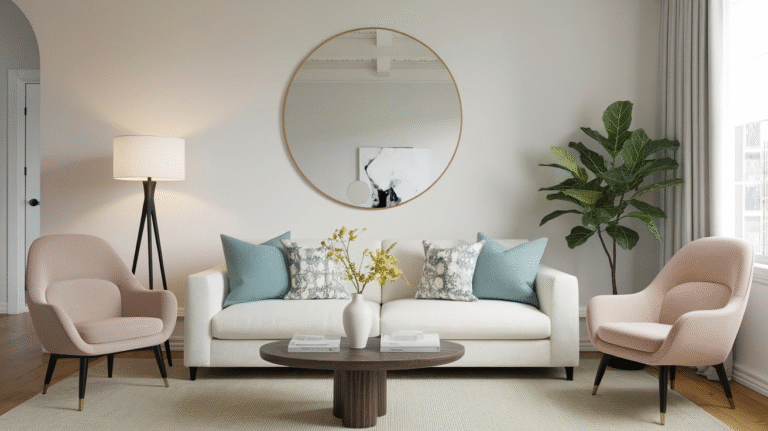
Mirrors are the magician’s trick of interior design. A strategically placed mirror can double the perception of space and amplify natural light.
Try putting one across from a window to reflect sunlight or behind a dining table to create visual depth. Frameless or thin-framed mirrors work best in contemporary rooms since they keep the look sleek and modern.
12. Go Bold with Accent Furniture
A mostly neutral palette doesn’t mean your room has to feel dull. Use one bold accent piece — a cobalt blue chair, an emerald velvet ottoman, or a gold coffee table.
These pops of color act like punctuation marks in a minimalist sentence — subtle but impactful. The trick is restraint: one or two accents per room are plenty.
13. Add Greenery for Life and Balance
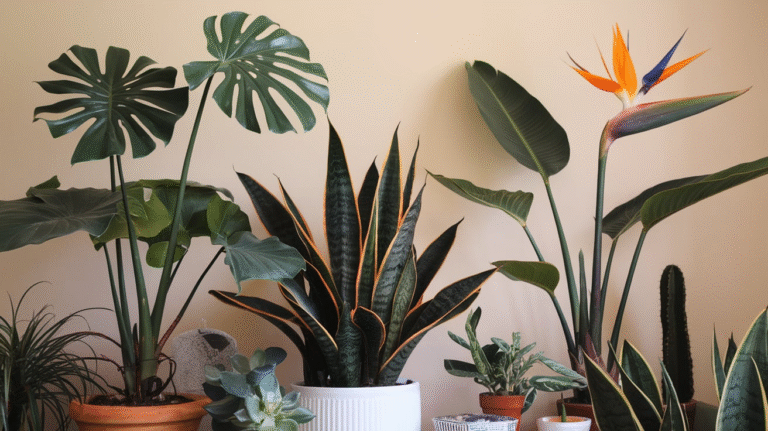
Plants breathe life into contemporary spaces. From tall fiddle-leaf figs to trailing pothos, greenery softens the clean lines and brings freshness indoors.
Studies by NASA found that indoor plants can remove up to 87% of toxins in 24 hours, making them both stylish and practical. Opt for modern planters — concrete, metal, or matte ceramic — to keep the vibe cohesive.
14. Use Textures to Create Warmth
If color adds personality, texture adds soul. Incorporate tactile elements like wool rugs, leather cushions, linen curtains, and matte ceramics.
A room layered with textures feels cozy and intentional, even with a limited color palette. I once swapped a glossy coffee table for a reclaimed-wood one — suddenly, my living room felt grounded, almost like it could exhale.
15. Install Floating Shelves
Floating shelves are both decorative and functional — perfect for displaying books, ceramics, or art. They also emphasize horizontal lines, a hallmark of contemporary design.
Choose shelves that match your wall color for a seamless look, or contrast them slightly for definition. They’re ideal for small apartments since they save floor space without sacrificing storage.
16. Experiment with Matte Finishes
Glossy used to be the go-to, but today’s contemporary design leans toward matte finishes — they feel more organic and timeless.
Matte paint, metal, and cabinetry add subtle sophistication. They don’t scream for attention; they whisper elegance. Bonus: fingerprints and smudges are less visible on matte surfaces, making them easier to maintain.
17. Keep Decor Intentional
In contemporary rooms, every object should have a reason. Instead of cluttering shelves with random trinkets, choose fewer but meaningful pieces — a ceramic vase, a handwoven bowl, or a framed quote that resonates with you.
This approach reflects mindfulness — surrounding yourself with things that inspire, not distract.
18. Blend Indoor and Outdoor Living
Modern homes increasingly blur the line between indoor and outdoor spaces. Use sliding glass doors, deck extensions, or similar flooring materials to make transitions seamless.
Even a small balcony can feel like an extension of your living room if you add matching furniture and soft lighting. This connection with nature promotes relaxation and harmony.
19. Add a Touch of Metal Accents
Metallics like brass, black steel, and brushed nickel bring subtle glamour to contemporary interiors. Use them in light fixtures, handles, and decor.
Avoid overdoing it — a single metallic tone throughout keeps things cohesive. Mixing too many finishes can break the visual rhythm.
20. Use Area Rugs to Define Zones
In open-concept homes, area rugs are your best friends. They visually define zones — separating the living area from the dining space or the reading nook from the workspace.
Opt for rugs with geometric or abstract designs that align with your color palette. The rug should ground your furniture and tie the room together without overpowering it.
21. Prioritize Comfort Over Perfection
It’s easy to get lost chasing “Pinterest perfection.” But contemporary design isn’t about showroom polish — it’s about livable beauty.
Choose a sofa that invites lounging, not posing. Add soft throws, floor cushions, or poufs. A home that looks good but feels stiff isn’t truly contemporary; it’s just staged.
22. Choose Statement Lighting Fixtures
A stunning pendant light or a sculptural floor lamp can transform a space. Contemporary lighting fixtures double as functional art.
Picture a bold chandelier above your dining table or an oversized arc lamp in the corner — it’s the kind of detail that makes guests look up and say, “Wow.”
23. Incorporate Glass for Transparency
Glass furniture and partitions keep rooms airy and light. A glass coffee table, shower enclosure, or stair railing adds transparency and reflects modern elegance.
Glass also creates a visual pause — a moment of lightness in an otherwise structured space.
24. Customize for Personality
While contemporary design loves cohesion, it shouldn’t erase your personality. Mix in a few personal touches — travel souvenirs, books, or a unique art collection.
The goal is to create a space that feels modern but unmistakably yours. After all, the best homes don’t just look good — they tell your story.
25. Keep Evolving
Contemporary means of the moment — it’s ever-evolving. What’s stylish today may adapt tomorrow. Embrace that fluidity. Swap in seasonal decor, experiment with furniture layouts, or explore new materials.
Your home should evolve with you. A contemporary room that grows over time feels more authentic than one frozen in a design trend.
Conclusion on 25 Contemporary Room Ideas
Designing a contemporary room isn’t about copying a magazine spread; it’s about crafting a space that mirrors modern simplicity while honoring personal comfort. From neutral palettes and layered lighting to minimal decor and natural textures, these 25 ideas offer a roadmap to creating rooms that breathe, glow, and adapt.
Think of your home as a conversation between style and substance — one that shifts, matures, and keeps you inspired. With a thoughtful blend of balance, comfort, and intention, you’ll create a space that feels timeless, not trendy.
Now grab that paintbrush, adjust that light fixture, and step into your own version of contemporary perfection. Because great design doesn’t just look good — it feels like home.