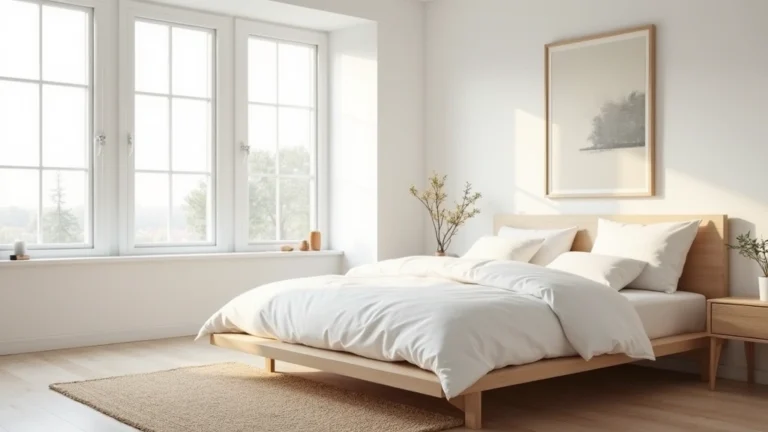
22 Creative Small Room Layout Ideas
When your room feels like a shoebox and space is at a premium, creativity becomes your best friend.
Optimizing small rooms isn’t just about squeezing furniture in—it’s about making every inch purposeful, stylish, and cozy.
Here, I’m sharing 22 small room layout ideas that are practical, visually appealing, and make the room feel larger than it actually is.
I’ll also sprinkle in personal experiences and tips that I’ve picked up along the way.
1. Use Multipurpose Furniture
Multipurpose furniture is a lifesaver. Sofa beds, storage ottomans, and foldable desks transform your small room into a functional space. In one of my apartments, a sofa bed allowed me to host friends overnight without cluttering the living room with an extra bed.
Stats show that 61% of small space dwellers invest in multipurpose furniture to maximize usability. Look for furniture with hidden storage compartments to reduce clutter and make the space feel airy.
2. Create Zones
Even in tiny spaces, you can create functional zones. For example, designate a reading nook, a work corner, and a relaxation area. Using area rugs or different lighting helps separate these zones visually. In my own experience, even a 10×12 room felt like three different spaces when I used a small bookcase to divide the areas.
3. Vertical Storage Solutions
Vertical space is your best friend. Wall-mounted shelves, tall cabinets, and hanging storage free up floor space. Research shows that rooms with vertical storage appear 20% larger visually. I once installed floating shelves above my desk, and it completely decluttered my small bedroom while giving it a modern vibe.
4. Foldable and Wall-Mounted Desks
For small rooms, a foldable desk or wall-mounted workstation is a game-changer. When not in use, it disappears, leaving floor space open. During my first work-from-home setup, a foldable desk allowed me to convert my guest room into an office without permanent furniture.
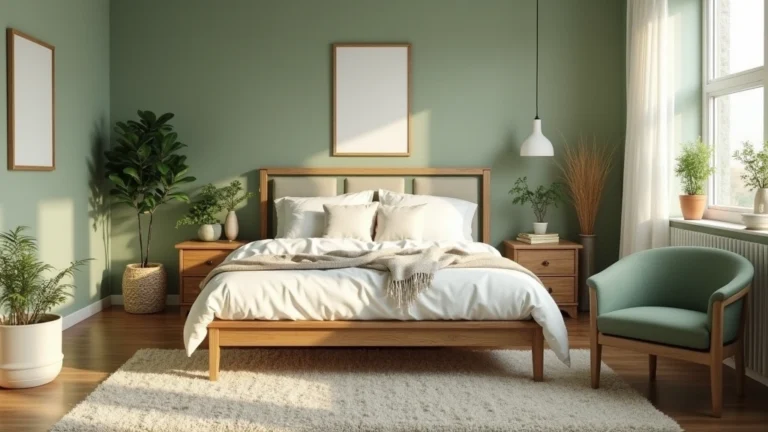
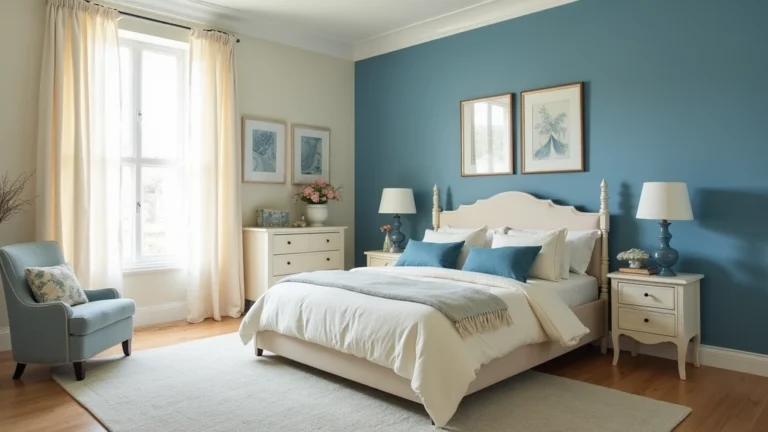
5. Light and Neutral Color Palette
Colors influence perception. Light and neutral tones make rooms feel spacious, while dark colors can make them feel cramped. Using shades like beige, pastel blue, or soft gray can visually expand your room. A survey found that 75% of small-space decorators prefer lighter shades for walls and furniture.
6. Mirrors to Expand Space
Mirrors are magical in small rooms. Placing a large mirror opposite a window reflects light and gives the illusion of depth. I’ve used a full-length mirror behind my bed to make my bedroom feel like it had double the space, and it worked wonders for selfies too!
7. Minimalist Furniture
Less is more. Choosing minimalistic furniture with clean lines prevents overcrowding. Avoid heavy, bulky pieces and instead opt for slender legs and open-frame furniture. It’s surprising how much floor space you gain by switching to minimalist designs.
8. Sliding Doors
Traditional doors eat up space, but sliding doors or pocket doors save every inch. In my apartment, replacing a swing door with a sliding one added enough room for a small desk next to my bed. This simple swap made the room feel twice as functional.
9. Lofted Beds
Lofted beds are perfect for small bedrooms. They free up floor space for desks, storage, or seating underneath. Many small-room owners report that lofting a bed increases usable space by over 40%. I personally lofted my twin bed during college, creating a mini lounge underneath that became my favorite spot to relax.
10. Open Shelving for Storage
Open shelves are both functional and decorative. They keep essentials accessible while creating a sense of openness. I’ve used floating shelves to display books, plants, and decorative pieces, which eliminated the need for bulky cabinets while keeping my room stylish.
11. Built-In Storage Solutions
Custom-built storage maximizes every inch. Think under-bed drawers, recessed shelving, or built-in wardrobes. According to a study, custom storage increases usable space by 30–50% in small rooms. I had built-ins installed in my last studio apartment, and the room felt like it had a secret storage dimension.
12. Wall-Mounted Lighting
Floor lamps take space, and table lamps clutter surfaces. Wall-mounted or hanging lights free up floor and desk areas. I installed sconces above my bed instead of nightstand lamps, which opened up space for a tiny shelf for my coffee cup and books.
13. Transparent Furniture
Glass or acrylic furniture tricks the eye into thinking there’s more space. A transparent desk or coffee table visually reduces clutter. I invested in an acrylic chair for my small office corner, and it feels like it’s barely there while remaining functional.
14. Multipurpose Rugs
Rugs can define spaces in open layouts. A small living room with overlapping rugs can indicate a seating area, a dining area, and even a workspace. I used two rugs of different textures to define zones in my tiny studio, making it look much larger than it actually was.
15. Use Corner Spaces
Corners are often wasted. Installing corner shelves, corner desks, or L-shaped sofas makes the most of these areas. In one of my small apartments, a corner desk created a perfect work-from-home setup without crowding the living room.
16. Hidden Storage Beds
Beds with hidden drawers or lift-up storage make a huge difference. You can store seasonal clothes, extra bedding, or shoes under your bed. I once had a bed with four deep drawers underneath, and it practically eliminated the need for a dresser in a 9×12 bedroom.
17. Multipurpose Seating
Ottomans, benches, and foldable chairs can serve as seating, storage, or even tables. I have an ottoman that hides blankets inside and doubles as a coffee table—it’s a small-space dream come true.
18. Strategic Furniture Arrangement
The right layout can make a tiny room feel airy. Keep furniture against walls, avoid blocking pathways, and use diagonal arrangements to maximize usable floor space. When I rearranged my small living room diagonally, it suddenly felt like it had more breathing room.
19. Vertical Gardens and Wall Decor
Wall decor doesn’t have to take up floor space. Vertical gardens, hanging plants, or wall art add personality without cluttering the room. I created a vertical plant wall, which not only looked amazing but also brought in freshness and improved air quality.
20. Foldable or Nesting Tables
Nesting tables or foldable dining tables are perfect for small rooms. You can expand them when needed and tuck them away after use. I bought a set of nesting tables for my living room, and they’ve been lifesavers during dinner parties or casual work sessions.
21. Reflective Surfaces
Besides mirrors, using high-gloss finishes, metallic furniture, or glass decor reflects light and makes rooms feel larger. In my experience, a high-gloss white wardrobe instantly opened up a cramped bedroom.
22. Keep It Organized and Clutter-Free
Finally, organization is everything. No matter how clever your layout is, clutter will shrink your space. Use baskets, drawer organizers, and hooks to keep things tidy. I have a habit of clearing surfaces daily, and even a 10×10 room feels huge when everything has a place.
Conclusion
Small rooms don’t have to feel cramped or limiting. By implementing these 22 creative layout ideas, you can turn any tiny space into a functional, stylish, and cozy sanctuary. From multipurpose furniture to clever storage hacks, vertical solutions, and light color palettes, every tip is about making the most of what you have. Remember, it’s not just about fitting furniture—it’s about creating a space that works for your lifestyle and sparks joy every time you enter.
With a mix of strategic layouts, smart furniture, and playful creativity, even the tiniest rooms can feel luxurious and welcoming. Take it from someone who’s lived in more shoebox apartments than I can count: small doesn’t mean limited. It just means smart design wins the day.