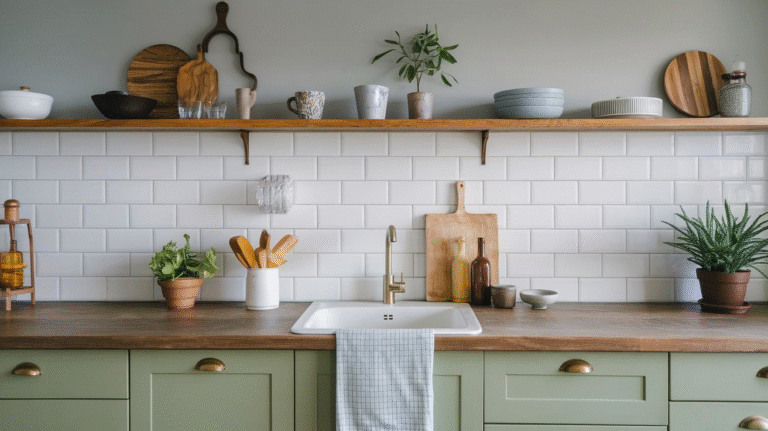
22 Best Clean Bedroom Ideas
A clean bedroom isn’t just about what meets the eye — it’s a sanctuary for your mind.
The space where you start and end your day has a direct impact on your mood, focus, and even sleep quality.
According to the Sleep Foundation, people who make their beds daily are 19% more likely to sleep well each night.
That’s not luck — it’s the psychology of order and calm.
1. Simplify the Color Palette
A clean bedroom starts with color discipline. Think of your walls as the backdrop to peace — not chaos. Stick to neutral tones like white, beige, taupe, or soft gray. According to color psychology, muted hues lower stress and promote focus.
If you want a touch of personality, add one accent color — maybe soft sage or powder blue — through throw pillows or wall art. Avoid too many contrasting colors; visual noise is real, and it tricks your brain into feeling overstimulated.
When I repainted my own room from dark teal to warm off-white, it felt like I’d added another window. The difference was night and day — literally.
2. Invest in Smart Storage
The biggest enemy of a clean bedroom? Visible clutter. Storage is your invisible weapon. Choose furniture that multitasks — beds with drawers underneath, ottomans that double as storage benches, and nightstands with shelves.
A National Association of Home Builders report found that 65% of homeowners wish they had more storage — but most are just not using space efficiently.
Use vertical real estate: floating shelves, over-the-door organizers, and wall-mounted baskets. And don’t underestimate under-bed storage — perfect for seasonal clothes or spare bedding.
3. Declutter Ruthlessly
There’s no shortcut here — decluttering is the heart of a clean bedroom. Go through every drawer, shelf, and corner. Keep only what you use, love, or need.
A University of California study found that clutter raises cortisol levels, leading to stress and fatigue. That pile of “someday clothes”? It’s silently draining your energy.
Adopt a simple rule: one in, one out. If you buy a new sweater, donate or toss an old one. It keeps your space — and your mind — from overflowing.
4. Choose Minimalist Furniture
The furniture you pick sets the tone. Clean bedrooms thrive on simplicity and open space. Go for low-profile pieces with sleek lines. Avoid bulky wardrobes or ornate dressers that visually crowd the room.
Opt for light wood, white finishes, or matte black for modern appeal. Furniture should “breathe” — a few inches of visible floor beneath or behind pieces creates the illusion of space and calm.
Minimal doesn’t mean empty — it means intentional.
5. Hide the Cables
Few things ruin the look of a clean bedroom faster than tangled cords. Hide them using cord covers, clips, or cable boxes. You can even run wires behind furniture or use wireless chargers.
According to Houzz’s 2024 home design trend report, 72% of homeowners cite cable clutter as their biggest design frustration.
If you want a polished finish, mount your TV and run the cables through the wall. That one small detail makes a massive difference in visual tidiness.
6. Make Your Bed Daily
It sounds too simple to matter, but making your bed instantly transforms your space. A neatly made bed visually signals order, even if the rest of the room isn’t perfect.
Navy Admiral William McRaven famously said, “If you want to change the world, start by making your bed.” He wasn’t exaggerating — it’s a micro-win that sets the tone for your day.
Choose bedding that’s easy to maintain. Duvet covers with zippers, wrinkle-resistant sheets, and layered neutrals make this habit painless and rewarding.
7. Keep Surfaces Bare
Nightstands and dressers attract clutter like magnets. Keep them 80% clear. A lamp, a small plant, maybe a book — and nothing else.
A Harvard Business Review article on workspace cleanliness found that visual clutter reduces cognitive performance by up to 25%. Your bedroom isn’t an office, but your brain reacts similarly.
Less on your surfaces means more peace in your head.
8. Optimize Lighting
Lighting sets the tone between cozy and chaotic. Natural light instantly makes a room feel fresh, so keep windows unobstructed. Use sheer curtains instead of heavy drapes.
For evenings, layer lighting: a ceiling fixture for brightness, bedside lamps for ambiance, and soft LED strips for accent. Avoid harsh white light — it can make even clean spaces feel sterile. Aim for warm 2700K tones for comfort and calm.
Lighting is emotional architecture. When done right, it makes minimal spaces glow, not glare.
9. Use Matching Bedding Sets
Consistency creates harmony. Invest in matching bedding sets — sheets, pillowcases, and duvet covers in the same tone or pattern family. It gives your bed a hotel-level finish with minimal effort.
A 2023 IKEA survey revealed that nearly 60% of people feel “more relaxed” in cohesive, color-coordinated bedrooms.
If you’re styling a neutral room, play with texture instead of color — linen, cotton, or quilted fabrics add depth without clutter.
10. Incorporate Hidden Organization
You don’t have to show your storage. Use under-bed bins, closet organizers, and drawer dividers to keep chaos invisible.
Inside drawers, use small boxes to separate socks, accessories, or tech gadgets. Closet organizers with labeled bins help maintain order long-term.
When everything has a home, cleaning becomes maintenance — not crisis management.
11. Embrace Natural Elements
Nature has a way of calming visual clutter. Add a potted plant, dried pampas grass, or a wooden accent. Greenery brings freshness and oxygen — literally and aesthetically.
NASA’s Clean Air Study found that indoor plants can reduce air toxins by up to 87%.
Stick with low-maintenance options like snake plants or peace lilies. They thrive even if you occasionally forget about them.
12. Keep Decor Minimal
A clean room isn’t bare — it’s curated. Choose a few meaningful pieces over dozens of small decorations. Maybe one framed print, a candle, and a plant per wall.
According to design psychologists, the human brain finds symmetry and negative space inherently calming. That means empty space isn’t wasted — it’s restful.
When you enter your room, your eyes should have space to breathe.
13. Manage Your Closet Smartly
Your closet is the heart of your clean-room ecosystem. A disorganized closet bleeds chaos into the entire room.
Group clothes by type and color — shirts, pants, outerwear. Use uniform hangers for a cohesive look. Store out-of-season clothes in labeled bins.
Research from The Spruce reports that organized closets save the average person 55 minutes a week — no more “where’s that shirt?” mornings.
14. Wash Bedding Regularly
Fresh sheets are the unsung heroes of a clean bedroom. Wash them once a week — not just for aesthetics but hygiene. Dust mites love unwashed bedding, and their presence can trigger allergies and fatigue.
The American Lung Association notes that a clean sleep environment can reduce nighttime coughing and sinus irritation by up to 40%.
Invest in high-quality cotton or bamboo fabrics; they’re breathable, durable, and stay fresher longer.
15. Add a Calming Scent
Scent defines how “clean” your room feels. Even the tidiest bedroom can feel stale without a pleasant aroma. Use essential oil diffusers, linen sprays, or soy candles.
Lavender and chamomile are proven to reduce anxiety and promote better sleep. A 2022 NIH study found that lavender scent exposure before bed improved sleep quality by 33%.
Find your signature scent — something subtle, natural, and soothing.
16. Reduce Visual Distractions
Visual noise — too many patterns, bright posters, or cluttered walls — can undo all your cleaning effort. Keep decor consistent and restrained.
If you love art, create a single gallery wall instead of scattering frames. Limit open shelving; dust collects there fast.
A “quiet” visual field helps your brain slow down. You’ll notice the difference in how easily you unwind at night.
17. Keep Tech Under Control
Phones, chargers, tablets, and TVs — they’re clutter culprits too. Designate a charging station or drawer for all devices.
If possible, remove the TV entirely. Studies from the National Sleep Foundation show that blue light exposure before bed reduces melatonin levels by 23%, making it harder to fall asleep.
A clean room isn’t just about appearance — it’s about better rest and focus.
18. Create Cleaning Routines
Instead of marathon cleaning sessions, develop a five-minute nightly reset. Make your bed in the morning, pick up clothes at night, and wipe surfaces weekly.
The American Psychological Association reports that consistent cleaning routines reduce decision fatigue and anxiety. You’re automating peace of mind.
Treat cleaning like brushing your teeth — a small daily act that keeps everything in check.
19. Limit Furniture Pieces
Fewer furniture pieces mean easier maintenance and visual clarity. Stick to essential items only — a bed, a nightstand, a dresser, and maybe a chair.
Overcrowding makes even large rooms feel tight. Leave space between each piece — interior designers recommend at least 18 inches of walking space for flow.
It’s better to have one stunning dresser than three mismatched ones collecting dust.
20. Use Mirrors to Amplify Space
Mirrors are magic when used right. They reflect light and make your room feel bigger and brighter.
Place a large mirror opposite a window to bounce daylight across the room. Even small spaces can feel open with this trick.
Bonus: A mirror also doubles as functional decor — perfect for outfit checks without extra clutter.
21. Choose Easy-to-Clean Materials
If you want a perpetually clean bedroom, design it that way. Choose materials that resist dust and stains — wood, metal, leather, and washable cottons.
Skip ornate textiles that trap lint. Washable slipcovers and microfiber upholstery make maintenance effortless.
According to House Beautiful, “easy-clean” design materials are projected to rise by 30% in popularity in home design trends through 2026.
22. Prioritize Air Quality
Even spotless rooms can feel “off” if the air is stale. Keep a small air purifier or humidifier, and crack a window daily for circulation.
The EPA warns that indoor air pollution is often 2–5 times higher than outdoors. That means cleaning your air is just as important as dusting your shelves.
Fresh air transforms the feel of your room — crisp, healthy, and alive.
Conclusion On 22 Best Clean Bedroom Ideas
A clean bedroom isn’t about perfection — it’s about peace of mind. The goal is to create a space that supports your well-being, not adds to your stress. Each of these ideas works together to bring order, clarity, and calm into your daily routine.
From simplifying your color palette to decluttering with purpose and developing small daily habits, the secret is consistency. Once your space becomes easy to maintain, you’ll realize how deeply your environment shapes your mood and energy.
Think of it this way: your bedroom is not just where you sleep — it’s where you reset. It’s your quiet retreat from the world’s noise. And when it’s clean, simple, and thoughtfully designed, it gives back tenfold in focus, happiness, and rest.