20 Garden Flower Bed Ideas
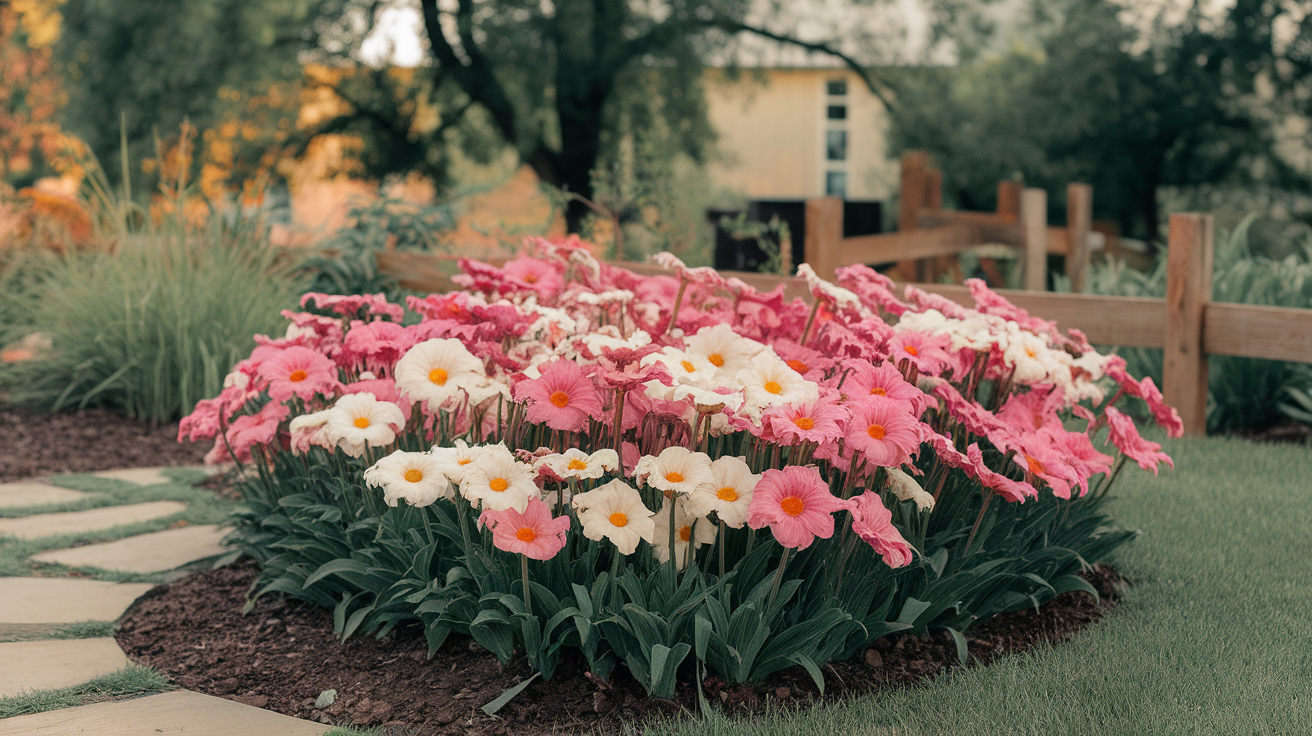
Designing your garden’s flower beds is like painting on nature’s canvas. The right combinations of blooms, textures, and arrangements can transform even the simplest yard into a magazine-worthy retreat.
I’ve spent countless weekends experimenting with flower bed designs—sometimes creating masterpieces, other times realizing that tulips and sunflowers don’t always get along.
1. Raised Garden Flower Beds for Easy Maintenance
Raised beds aren’t just about convenience; they’re game changers. According to the National Gardening Association, raised beds can yield up to 4 times more flowers per square foot than traditional ground-level gardens. Why? Because the soil drains better, warms earlier in spring, and you can tailor it to your flowers’ needs.
On a personal note, I once struggled with clay-heavy soil in my backyard that drowned delicate petunias. Switching to raised beds was like giving my flowers a luxury condo. They bloomed longer, brighter, and healthier.
2. Curved Flower Beds for a Natural Flow
Straight lines feel formal, but curved flower beds bring a soft, organic vibe. They guide the eye naturally and make your yard feel larger. Landscape architects often recommend gentle S-shaped curves because they mimic patterns found in nature.
When I added a curved bed around my lawn’s edge, it created an inviting “flow” that made my guests wander through the space like they were in a botanical garden. It’s a small design choice with big impact.
3. Perennial-Heavy Flower Beds for Low Maintenance
If you don’t want to be planting new flowers every season, perennials are your best friends. Studies show that perennials can cut annual garden maintenance time by up to 40%. Think lavender, echinacea, and daylilies.
A neighbor of mine planted a mostly perennial bed ten years ago. Today, it still blooms reliably every summer with almost no effort—while I was busy buying flats of annuals every spring. Lesson learned: invest in perennials for beauty that lasts.
4. Cottage-Style Flower Beds for Charm
Cottage gardens are like the messy buns of the gardening world—casual, charming, and effortlessly stylish. They usually mix roses, foxgloves, hollyhocks, and daisies in slightly unruly, abundant beds.
I once visited a friend’s English-inspired garden, where flowers spilled over paths and seemed to grow wherever they pleased. It felt less like a planned garden and more like nature had taken over in the prettiest way possible.
5. Border Flower Beds for Definition
Nothing frames a yard better than flower borders. They act like eyeliner for your lawn—defining, accentuating, and drawing attention to the best parts. Borders along fences, driveways, or walkways add instant polish.
A border of marigolds along my front walk not only brightened the path but also kept pests away. Double duty: beauty and protection.
6. Color-Themed Flower Beds for Bold Statements
Sometimes too many colors can feel overwhelming. That’s where monochromatic or color-themed beds shine. Studies in color psychology show that yellow flowers can boost mood, while blues and purples create calm.
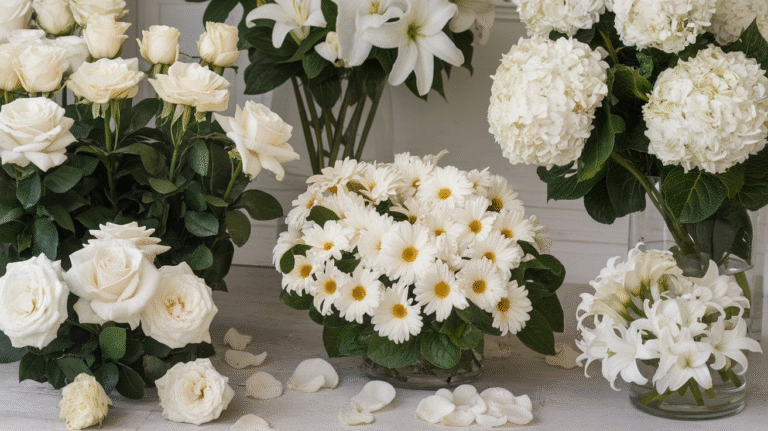
One summer, I planted an all-white moonlight garden bed—white lilies, petunias, and alyssum. At night, the blooms seemed to glow under the moonlight, creating a dreamy, magical effect.
7. Rock-Edged Flower Beds for Texture
Adding stones or rocks around your flower bed isn’t just decorative—it also helps retain soil and control weeds. Plus, the contrast of soft blooms against hard stone creates visual drama.
I once hauled a trunk full of river rocks (and a sore back the next day) to edge my garden bed. It was worth it. The flowers looked more defined, and the stones gave the bed a permanent, structured feel.
8. Vertical Flower Beds for Small Yards
If your yard is short on space, go vertical. Trellises, wall planters, or even stacked wooden frames can create a layered flower bed effect. According to the National Gardening Survey, vertical gardening increased by 30% in the last decade, mainly because urban homeowners want beauty in small spaces.
My balcony once turned into a mini Eden thanks to vertical planters filled with nasturtiums and morning glories. Even without a yard, you can have a flower bed that climbs.
9. Wildflower Beds for Low-Cost Beauty
Planting a mix of wildflowers creates a low-maintenance, pollinator-friendly paradise. According to the Xerces Society, wildflower beds can attract up to 50% more pollinators than traditional beds.
Last summer, I scattered a packet of wildflower seeds in a neglected corner of my yard. Within weeks, bees, butterflies, and even hummingbirds were frequent visitors. And all I did was sprinkle some seeds.
10. Edible Flower Beds for Function and Flavor
Why not mix beauty with practicality? Flowers like nasturtiums, violets, and calendula are edible and gorgeous. They can garnish salads, desserts, and cocktails. The edible flower market has grown by 10% annually, proving gardeners love this mix of taste and style.
Once, I served friends lemonade with floating pansy petals from my own garden. Their jaws dropped—and no, no one was poisoned. Just a fun surprise.
11. Multi-Layered Flower Beds for Depth
Think of your flower bed like a stage. Tall flowers like delphiniums are the back row, medium ones like zinnias fill the middle, and ground covers like creeping thyme are the front row. This layered approach adds dimension.
When I rearranged my bed in layers, it went from looking flat to looking like a living 3D painting. It’s a simple trick, but it makes all the difference.
12. Butterfly and Bee-Friendly Flower Beds
With pollinator populations declining (bee populations have dropped nearly 30% in the past decade), planting nectar-rich flowers is both beautiful and eco-conscious. Try coneflowers, lavender, and milkweed.
The first time a monarch butterfly landed on the milkweed I planted, I felt like I had officially joined the superhero league of gardeners saving the planet. Small actions, big impact.
13. Shade-Loving Flower Beds
Not every part of your yard gets full sun. Instead of fighting it, embrace shade-loving flowers like hostas, ferns, and impatiens. According to landscape design experts, shaded beds often look lusher because of the contrast in foliage textures.
My side yard, once a barren patch, came alive when I filled it with colorful impatiens and lush hostas. It’s now my favorite place to sip morning coffee.
14. Seasonal Flower Beds for Year-Round Color
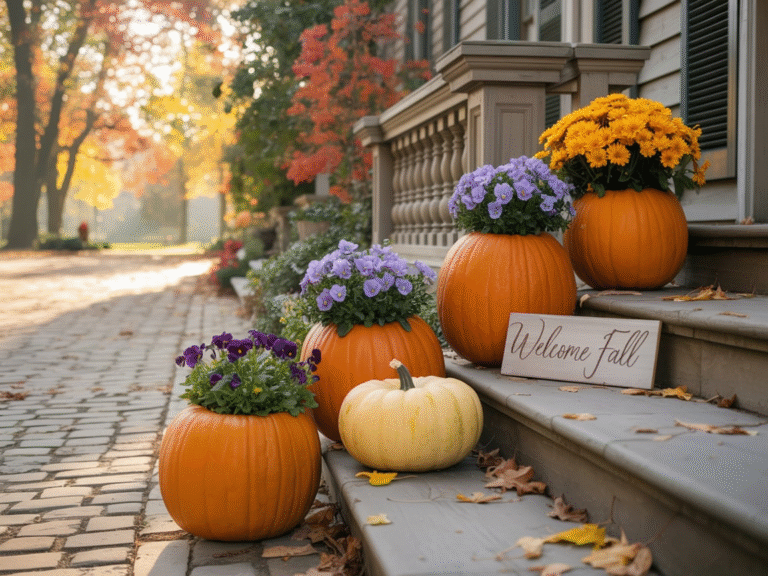
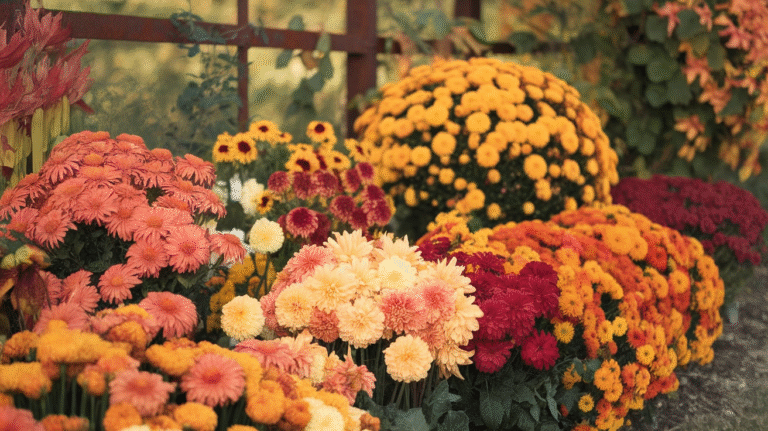
A smart gardener plans for every season. Plant bulbs for spring (tulips, daffodils), annuals for summer (petunias, zinnias), mums for fall, and evergreen shrubs for winter structure.
A family friend once told me her secret: she always plants with the next season in mind. Visiting her yard is like flipping through a calendar of blooms, each season more stunning than the last.
15. Water Feature Flower Beds
Pairing flowers with a water feature—like a small fountain or pond—adds both movement and sound. Studies show that water in gardens can reduce stress levels by up to 20%.
I added a birdbath surrounded by lilies and irises, and it quickly became the busiest spot in my yard. Birds, bees, and butterflies all gathered there, making it a living Disney scene.
16. Succulent and Drought-Tolerant Flower Beds
If you live in a dry climate, consider drought-friendly blooms like succulents, lantanas, and sedums. They save water while still looking stunning. In fact, water-efficient gardens can reduce landscape water use by 50%.
During a hot summer drought, my succulents didn’t just survive—they thrived—while my neighbor’s traditional flowers withered. Sometimes low-maintenance is the smartest move.
17. Geometric Flower Beds for Modern Appeal
For a contemporary look, design flower beds in triangles, circles, or grids. It’s especially striking when paired with minimalist landscaping.
When I created a triangular bed filled with ornamental grasses and bold dahlias, my backyard instantly looked like it belonged in a modern design magazine. Geometric beds give structure and personality.
18. Fragrant Flower Beds for Sensory Delight
Flowers aren’t just for the eyes. Scented blooms like jasmine, roses, and lavender create a multi-sensory experience. According to aromatherapy research, lavender reduces anxiety and improves sleep.
I once planted a lavender-heavy bed outside my bedroom window. Falling asleep to its fragrance in the breeze felt like having nature’s essential oil diffuser on tap.
19. Container Flower Beds for Flexibility
Not all flower beds need to be in the ground. Grouping containers together creates a flexible, movable flower bed. This is especially useful for renters.
On my patio, I grouped terracotta pots of geraniums, marigolds, and petunias into a tight cluster. It looked like a single flower bed but could be rearranged anytime I got bored.
20. Mixed Grass and Flower Beds for Contrast
Pairing ornamental grasses with flowers adds texture, height, and movement. Try grasses like fountain grass or switchgrass with colorful perennials. The sway of grasses in the wind makes the whole bed feel alive.
The first time I added grasses to my flower beds, I realized I’d been missing out. The contrast of feathery plumes against solid blooms gave my garden a professional, layered look.
Conclusion On 20 Garden Flower Bed Ideas That Will Instantly Upgrade Your Yard
Upgrading your yard with flower beds doesn’t require a landscape architect or a hefty budget. It’s about choosing creative layouts, practical plant selections, and small touches that make your space bloom with personality. From raised beds that simplify gardening to fragrant designs that awaken your senses, these ideas can turn your yard into the envy of the neighborhood.
Think of your garden flower beds as more than just plants—they’re a reflection of your creativity, care, and style. Start with one or two of these ideas, experiment, and let your garden evolve into something uniquely yours. Trust me, once you see those blooms flourish, you’ll never look at your yard the same way again.