22 Creative Living Room Layered Lighting Ideas
When you walk into a living room, the first thing that sets the mood isn’t the sofa or the artwork—it’s the lighting.
Think of lighting like the soundtrack of a movie: the same scene feels completely different if it’s played with soft jazz, high-energy rock, or complete silence.
Your living room deserves that same thoughtful layering of lights so it can adapt to movie nights, reading sessions, or even impromptu dance parties.
1. Start with a Strong Ambient Base
Ambient lighting is the foundation of any living room setup. It’s the overhead light that fills the room with general brightness. Without it, your space feels like a movie theater when the projector is off—dark and awkward.
You can achieve this with flush mounts, chandeliers, or recessed lighting. According to the American Lighting Association, ambient lighting should provide about 20 lumens per square foot. So, if your living room is 200 square feet, you’ll need around 4,000 lumens just for general illumination.
2. Add Statement Chandeliers
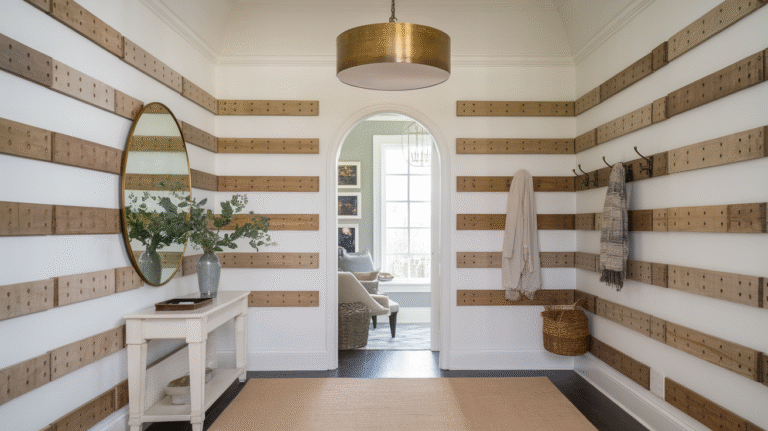
Chandeliers aren’t just for grand dining halls. In the living room, they act like the jewelry that pulls an outfit together. A bold chandelier becomes a focal point while also providing balanced light.
Think of a modern geometric chandelier in a minimalist space or a crystal one in a classic interior. A good chandelier should hang about 7 feet above the floor so it doesn’t overwhelm the space.
3. Embrace Wall Sconces
Wall sconces are like the supporting actors who don’t hog the spotlight but still steal the scene. These fixtures create soft pools of light and add depth to your walls.
Place them beside a fireplace, around artwork, or even near your sofa. They provide about 100–200 lumens each, making them perfect for mood lighting.
4. Layer with Floor Lamps
Floor lamps are the chameleons of lighting. You can move them around depending on where you need light. A tall arc floor lamp can act as overhead lighting without drilling into the ceiling.
Pro tip: Pair floor lamps with dimmer switches so they can go from bright reading mode to cozy evening glow in seconds.
5. Introduce Table Lamps for Task Lighting
Table lamps are both functional and decorative. They’re ideal for side tables, consoles, or even window ledges. A table lamp creates a localized glow perfect for reading or working on your laptop without blasting the whole room with light.
The average table lamp gives off 400–800 lumens, which is just right for cozy corners.
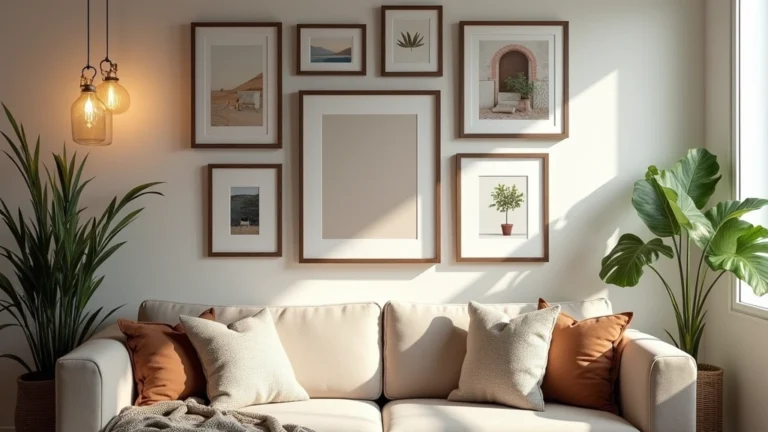
6. Use Picture Lights to Highlight Art
If you have artwork or family photos on display, picture lights can make them shine—literally. They direct attention to your personal treasures, turning them into conversation starters.
A tip: choose LED picture lights to avoid damaging your art with UV rays.
7. Install Cove Lighting
Cove lighting is hidden in recesses, like where the wall meets the ceiling. It gives your living room a soft, halo-like glow that feels upscale.
This indirect lighting creates an illusion of higher ceilings and works beautifully with dimmable LED strips.
8. Recessed Spotlights for a Clean Look
Recessed lights, also known as can lights, disappear into the ceiling but provide powerful illumination. Use them to highlight key areas—like above the sofa or reading nook.
Designers suggest spacing them about 4 to 6 feet apart to avoid dark patches.
9. Accent Lighting for Drama
Accent lighting is where you add a bit of flair. Think of it as the eyeliner that makes your living room’s eyes pop. Use it to highlight a brick wall, textured wallpaper, or shelving units.
A simple track light system can let you adjust the direction of each light to suit your décor.
10. Mix Warm and Cool Tones
Lighting temperature matters more than most people realize. Warm white (2700K–3000K) feels cozy, while cool white (4000K–5000K) feels crisp and energetic.
Mixing these strategically—warm for relaxation zones and cool for work areas—creates a balanced living room vibe.
11. Add a Dimmer to Everything
If there’s one secret designers swear by, it’s this: put your lights on dimmers. A dimmer is like having a volume knob for your lighting.
According to Lutron, dimmers can save up to 20% on energy costs, making them both stylish and smart.
12. Layer with Pendant Lights
Pendant lights aren’t just for kitchens. In a living room, they can hang over a coffee table or in a corner reading area. They provide focused illumination while acting as design elements.
Choose pendants that complement your living room theme—industrial metal, glass globes, or woven rattan.
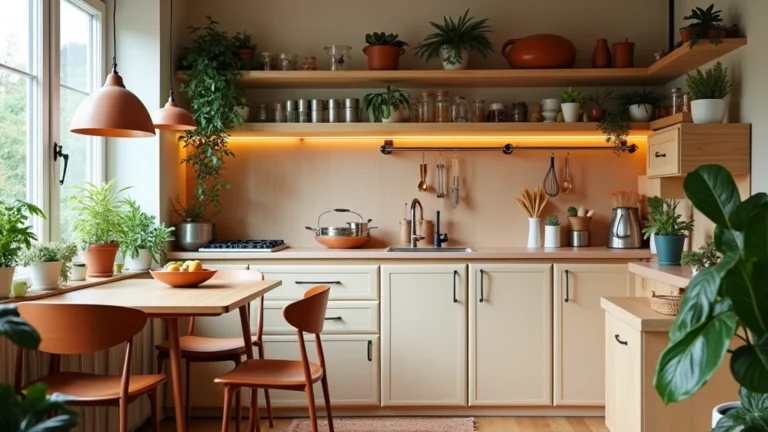
13. Don’t Forget LED Strips
LED strips are the secret weapon of modern design. Stick them under shelves, behind TVs, or along baseboards. Suddenly, your living room feels futuristic without being over the top.
They’re also energy-efficient, with a typical strip consuming only 4.8 watts per meter.
14. Fireplace Lighting Magic
If you’re lucky enough to have a fireplace, enhance it with subtle lighting. Install uplights at the base or add sconces on either side.
This creates a cozy focal point that feels like a warm hug on cold evenings.
15. Layer Natural Light with Artificial
Don’t underestimate the sun. Maximize natural light with sheer curtains or strategically placed mirrors. Then layer artificial lighting to complement it.
Studies show exposure to natural daylight improves mood and productivity by up to 40%. Use it as your foundation.
16. Highlight Ceiling Beams
If your living room has exposed beams, celebrate them with lighting. Install track lights or uplights that run along the beams. This adds architectural interest and depth.
Even in modern homes, faux beams with hidden lights can bring warmth.
17. Play with Shadows
Lighting isn’t just about brightness—it’s about contrast. Use fixtures that create interesting shadow patterns, like lantern-style lamps or laser-cut pendants.
Shadows add mystery and make your space feel dynamic.
18. Create Zones with Light
Your living room probably serves multiple purposes: TV area, reading nook, conversation corner. Use lighting to define zones.
For example, a floor lamp beside the sofa marks the reading zone, while a pendant over the coffee table centers the gathering area.
19. Use Smart Lighting Systems
Smart bulbs let you change brightness and color with a tap on your phone. Imagine switching from bright daylight for work to golden hues for Netflix night—without leaving the couch.
Smart lighting adoption is growing fast, with 32% of U.S. households expected to use it by 2026.
20. Layer with Candlelight
Nothing beats the romance of candles. Whether real or battery-operated, they add a soft flickering layer that no electric bulb can mimic.
Cluster them on coffee tables, shelves, or window sills for maximum effect.
21. Backlight Your TV
Eye strain is real when watching TV in a dark room. Backlighting your TV with LED strips reduces glare and makes viewing more comfortable.
It’s a small upgrade with a huge impact on comfort.
22. Add a Surprise Element
Every living room deserves a touch of the unexpected. Think of a neon sign, a whimsical lamp, or a fiber-optic star ceiling. It keeps the space fun and personal.
This is where you let your personality shine through lighting.
Conclusion on 22 Creative Living Room Layered Lighting Ideas
Layering lighting in your living room isn’t about randomly scattering lamps—it’s about creating a flexible atmosphere that adapts to your mood and activities. Start with a solid ambient base, then mix in task lights, accent lights, and playful touches. The goal is balance: bright enough for reading, soft enough for relaxing, and dynamic enough to impress guests.