24 Stylish Home Office Decor Ideas To Boost Your Productivity
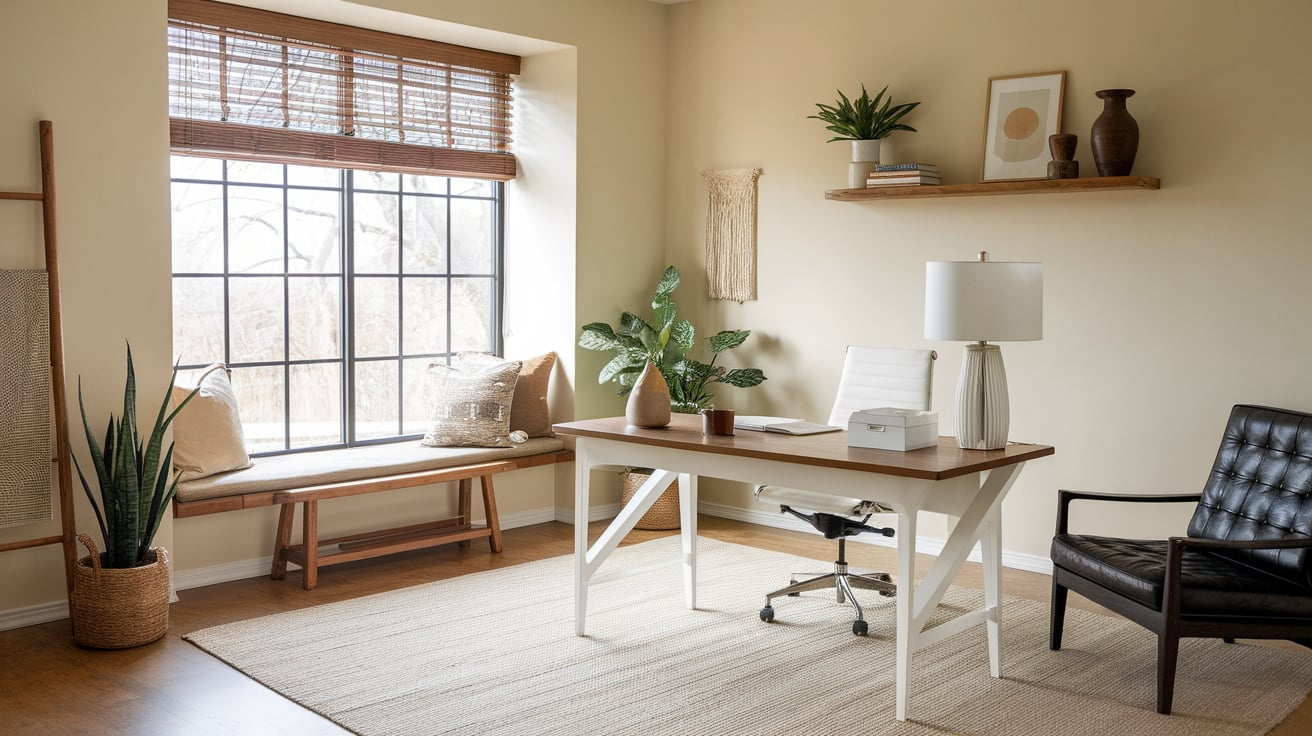
Creating a home office that’s both stylish and functional is not just about looking good—it’s about feeling good and working smarter. A thoughtfully designed workspace has been proven to boost productivity by up to 20% according to a Gensler workplace survey.
Think of your office as a teammate: if it’s disorganized, dull, or uninspiring, you’ll feel drained. But when it’s vibrant, functional, and comfortable, it feels like your secret productivity weapon.
1. Choose a Dedicated Space
The biggest mistake most people make is trying to work in random spots around the house. Your bed, couch, or kitchen table might feel convenient, but they kill focus.
According to the American Psychological Association, having a designated workspace increases work-life balance and concentration. Even if you live in a small apartment, carve out a corner and claim it as your work zone. When your brain knows “this spot = work,” it kicks into gear.
2. Natural Light Is Your Best Friend
Nothing makes you more productive (and happier) than natural light. A Cornell University study found that workers exposed to natural daylight reported 84% fewer headaches, eyestrain, and drowsiness.
Place your desk near a window if possible. If you don’t have much sunlight, invest in daylight-mimicking lamps. Personally, moving my desk beside a sunny window instantly made me feel like I was working in a café instead of a cave.
3. Pick a Color Palette That Inspires
Colors affect mood more than we realize. Blue tones spark calm focus, yellow brings creativity, and green reduces anxiety. In fact, a University of Texas study found that bland gray, beige, and white offices actually caused feelings of sadness and depression—especially for women.
Pick a palette that makes you feel energized. I once painted a small accent wall in sage green, and suddenly my office felt like a peaceful retreat instead of a storage closet.
4. Add Ergonomic Furniture
Your chair and desk are the unsung heroes of productivity. A bad chair leads to back pain, and back pain leads to distraction. According to the World Health Organization, musculoskeletal disorders cost the global economy $980 billion annually in lost productivity.
An ergonomic chair and adjustable desk may feel like an investment, but they pay off tenfold. Trust me, once I switched from a cheap dining chair to an ergonomic model, I could work hours longer without the “why does my spine hate me” feeling.
5. Layer Lighting for Function and Style
One overhead light isn’t enough. Think layers of lighting: ambient (ceiling), task (desk lamp), and accent (LED strips, floor lamps).
A Journal of Environmental Psychology study found that people are more productive in well-lit environments with multiple light sources. Adding a warm-toned desk lamp not only reduces strain but also creates a cozy vibe that makes working late less dreadful.
6. Invest in Storage That Looks Good
Clutter is productivity’s kryptonite. A Princeton study found that physical clutter competes for your attention, reducing performance. But storage doesn’t have to be ugly.
Think floating shelves, woven baskets, or minimalist cabinets. I personally love cube organizers—everything has its spot, but it still looks clean. The trick? Store ugly items (wires, papers) in stylish containers so they disappear.
7. Display Inspiring Wall Art
Blank walls feel sterile. Add artwork, motivational quotes, or photography that makes you smile. Research in the Journal of Business and Psychology found that employees who worked in decorated spaces reported 17% higher job satisfaction than those in bare ones.
My favorite office hack was framing travel photos—I got a daily reminder of why I work hard while also making my walls less boring.
8. Add a Touch of Greenery
Plants don’t just look pretty—they actually make you smarter. NASA research showed plants can remove up to 87% of toxins from the air in 24 hours.
Plus, a University of Exeter study revealed plants improve productivity by 15%. Even a small succulent on your desk makes a difference. Personally, I keep a snake plant next to my monitor. It’s impossible to kill and it makes the space feel alive.
9. Use Smart Cable Management
There’s nothing less stylish than a nest of tangled wires. Use cord clips, under-desk trays, or wireless charging stations to hide the chaos. Not only does it look cleaner, but it reduces distraction.
I once tripped over my own laptop cord mid-Zoom call—that was my breaking point for finally investing in cord management. Lesson learned: tidy wires equal a tidy mind.
10. Incorporate a Standing Desk Option
Research published in the British Journal of Sports Medicine suggests that breaking up sitting time can lower health risks and improve productivity.
A standing desk (or even a desk riser) lets you switch positions and keeps energy up. I often alternate between sitting and standing when I feel my brain fog creeping in. It’s like hitting a reset button for your body.
11. Personalize With Meaningful Objects
Your office shouldn’t feel like a soulless cubicle. Add personal touches: a family photo, a favorite mug, or souvenirs that remind you of your “why.”
Research shows personalization in offices increases emotional attachment and productivity. My desk always has a framed note from a friend—it’s small, but it gives me a little dopamine hit every time I glance at it.
12. Add a Vision or Mood Board
Seeing your goals daily keeps them alive. Create a vision board with your big-picture dreams, or a mood board with aesthetics that inspire you.
This visual reminder sparks motivation when you feel stuck. I once had a mood board with pictures of cozy cafés, and it kept me motivated to turn my office into a place I wanted to hang out.
13. Try a Two-Monitor Setup
Multiple studies, including one from the University of Utah, found that using dual monitors increases productivity by 20–30%. More screen real estate means fewer windows switching, less frustration, and smoother multitasking.
After upgrading to a second monitor, I couldn’t believe I had survived on one for so long—it’s like discovering your car has cruise control after years of manual driving.
14. Create a Mini Refreshment Station
Keep water, coffee, or tea within reach. Hydration directly affects brain function—a 1% drop in hydration can reduce productivity by 12%.
I keep a sleek glass water bottle at my desk, and sometimes even a small coffee warmer. It saves time, keeps me focused, and prevents the “oops, forgot my water again” excuse to wander into the kitchen.
15. Add Cozy Textures
Style isn’t just what you see—it’s what you feel. Add a plush rug, throw blanket, or soft curtains to make your office comfortable. Textures soften the space and make long hours more bearable.
My personal game-changer was a faux fur rug under my desk—suddenly my office felt like a boutique studio instead of a sterile corner.
16. Create Zones Within the Office
Even a small office benefits from activity zones. One corner for work, another for reading, and maybe a small relaxation nook. Zoning keeps your brain from feeling trapped.
When I added a comfy chair away from my desk, I found brainstorming sessions flowed better because I wasn’t chained to my monitor.
17. Use Floating Shelves for Style and Storage
Floating shelves free up desk space and let you showcase items. Mix practical storage (binders, books) with decor items (plants, candles). They make walls useful and stylish at the same time.
I once lined mine with books and a neon sign—it became the backdrop for all my Zoom calls and people constantly asked where I got it.
18. Add an Accent Wall
A bold wall creates instant style. Wallpaper, paint, or even peel-and-stick panels can transform your office’s vibe. Studies show visually stimulating spaces boost creativity.
I once added a dark navy accent wall—it gave my small office instant depth and made me feel like I was working in a design studio instead of a spare bedroom.
19. Use Sound to Your Advantage
Noise affects focus more than people think. Invest in noise-canceling headphones, a white noise machine, or even calming background playlists.
A study from Rensselaer Polytechnic Institute found that nature sounds improved mood and cognitive performance. Personally, I play soft café sounds when I need focus—it tricks my brain into working like I’m in a bustling coffee shop.
20. Add a Statement Desk Piece
Sometimes one bold item makes the whole space. A unique desk lamp, sculptural organizer, or striking chair can become the focal point. It’s like wearing a statement necklace—it elevates everything else.
My “statement” was a globe lamp—it became the first thing people commented on during calls, and it gave my office personality.
21. Keep Productivity Tools Visible
Use wall calendars, whiteboards, or cork boards to keep tasks in sight. A Harvard Business Review article revealed that visual reminders significantly improve task completion rates.
I keep a big whiteboard behind my monitor—it’s messy but effective, and crossing off to-dos feels ridiculously satisfying.
22. Make It Flexible for Multiple Purposes
Sometimes your home office doubles as a guest room, craft space, or study zone. Use folding desks, murphy tables, or furniture on wheels to keep it adaptable.
I once lived in a one-bedroom apartment where my “office” was also my dining nook. A foldable desk saved my sanity—work by day, dinner by night.
23. Add Scent for Focus
Smell is often overlooked but incredibly powerful. Studies show peppermint scent increases alertness, while lavender reduces stress.
Try a diffuser with essential oils or a scented candle. I use citrus scents during deadlines—they give me a burst of energy when my brain wants to shut down.
24. Keep It Clutter-Free Daily
Finally, the most stylish office loses its charm if it’s messy. End each workday with a 5-minute reset: clear your desk, file papers, and reset your space.
Psychologists call this “closing the loop,” which helps your brain disconnect from work. It’s like tucking your office into bed so it’s fresh and ready for you tomorrow.
Conclusion
Designing a stylish home office isn’t about copying Pinterest boards—it’s about creating a space that matches your personality and supports your productivity.
From natural light to ergonomic furniture, from cozy textures to scent and sound, every detail works like a gear in a machine. When all the gears are aligned, your office stops being a place you have to sit in and becomes a place you want to thrive in.