24 Tiny House Design Ideas
Tiny houses have taken the world by storm. They’re more than just a housing trend—they’re a lifestyle revolution.
With rising housing costs and a renewed appreciation for sustainable living, people are learning that smaller can mean smarter.
You don’t need 3,000 square feet to live comfortably; you need intention, creativity, and clever design.
So let’s walk through 24 tiny house design ideas that blend practicality with personality—ideas that make small spaces not just livable, but lovable.
1. Maximize Vertical Space
When floor area is limited, the walls become your best friends. Think of vertical space as hidden real estate. Install floating shelves, tall cabinets, or ceiling-mounted racks.
Even the space above doors or windows can hold books, baskets, or plants. I once visited a 200-square-foot cabin where the owner used the wall behind her bed as both a bookshelf and a lighting feature—she saved space and added charm.
Vertical space creates breathing room and helps maintain visual flow. In a study by the National Association of Home Builders (NAHB), 77% of tiny homeowners emphasized vertical storage as essential for long-term functionality.
2. Multi-Functional Furniture Magic
Every inch counts in a tiny house, so your furniture should earn its keep. A sofa that converts into a bed, a coffee table with hidden storage, or foldable dining sets can transform one area into many.
There’s a beauty in furniture that multitasks. I remember visiting a tiny home in Oregon where the dining bench doubled as a chest for linens and the staircase drawers held shoes and books. These clever touches eliminate clutter and maintain order—because chaos feels ten times louder in small spaces.
3. Loft Living for Sleeping Areas
Lofts are a tiny home’s secret weapon. Elevate the bed, and suddenly you’ve doubled your usable area below. The best designs make the loft feel cozy, not cramped—using skylights, soft lighting, and railings that feel airy rather than boxed in.
A good rule of thumb: if your ceiling is at least 12 feet high, a loft is worth it. Just make sure to include safe stairs or a sturdy ladder. You can even design your stairs as built-in drawers for extra storage. Loft designs add a sense of adventure and charm—climbing into bed feels a bit like heading up to your own private treehouse.
4. Use Glass and Windows Generously
Tiny homes thrive on light. The more natural light, the bigger the space feels. Large windows, skylights, and glass doors open up the room visually and emotionally. A 2023 study from Houzz found that homes with larger windows are perceived as 25–30% more spacious.
Think about framing views strategically. If you’re parked in the woods, orient your windows toward nature; if you’re urban, use frosted glass for privacy without losing brightness. Light transforms a tiny house from feeling like a box to feeling like a bright cocoon.
5. Keep a Neutral Base, Add Color with Accents
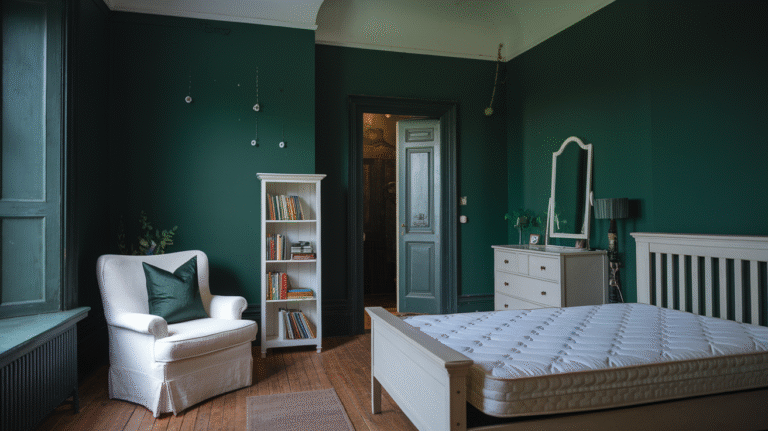
In small spaces, color psychology plays a massive role. Light and neutral walls make rooms appear larger and more inviting, while splashes of color in décor or furniture keep things interesting. Imagine a white shiplap wall with mustard-yellow cushions or a teal cabinet—these pops create personality without visual clutter.
If you love dark tones, use them strategically—maybe one feature wall or cabinetry against lighter surroundings. The goal is harmony and balance, not bold chaos.
6. Slide, Fold, and Hide: Movable Features
Tiny homes thrive on flexibility. Consider sliding doors, fold-down desks, or hideaway kitchens. These design tricks make a 200-square-foot space feel like a transformer robot of efficiency.
In one of my favorite builds, the owner had a drop-leaf dining table attached to the wall—it flipped up for meals and folded flat afterward. That single design saved nearly 15 square feet of usable space. Movable parts equal adaptable living, which equals freedom.
7. Smart Storage Under Everything
In a tiny home, empty space is wasted space. The golden rule: if there’s a hollow, use it. Under-bed drawers, stair-step cubbies, toe-kick drawers in the kitchen—all these turn “dead zones” into functional storage.
An average homeowner loses 20–25% of potential storage space simply by not using under-surfaces. Tiny house owners don’t have that luxury. Every inch should serve a purpose—storage that’s invisible but accessible keeps your house looking tidy and intentional.
8. Kitchen Efficiency: Think Like a Chef
Professional kitchens are masters of tight spaces. Borrow their tricks. Use magnetic knife strips, pull-out spice racks, and stackable cookware. Choose appliances scaled to your needs—a two-burner stove, a compact fridge, maybe a mini dishwasher.
I once stayed in a 150-square-foot Airbnb where the owner used a rolling kitchen island that doubled as a prep area and dining table. It slid neatly against the wall when not in use. Functionality like this makes cooking enjoyable instead of claustrophobic.
9. Bathroom Brilliance: Shrink Without Sacrificing Comfort
Tiny house bathrooms can still feel luxurious. Choose a corner shower with glass panels to save space visually. Use pocket doors instead of swinging ones. Go for wall-mounted sinks and compact toilets.
And don’t underestimate ventilation—moisture control is crucial in small builds. Adding a skylight above the shower not only ventilates but adds a spa-like vibe. You’d be amazed how much a small bathroom can feel like a personal retreat with thoughtful design.
10. Open-Plan Layouts for Flow
Walls divide; open plans unite. Open layouts make small spaces feel twice their size by allowing light and air to circulate freely. Combine your living, dining, and kitchen zones into one continuous flow.
To maintain structure, use visual dividers instead of physical ones—like rugs, lighting changes, or color shifts. Your brain perceives separate areas without the bulk of walls. It’s psychology meets architecture.
11. Add a Fold-Out Deck or Patio
Outdoor extensions are a tiny homeowner’s secret luxury. A fold-out deck or sliding patio adds valuable “living space” without expanding the actual footprint. It’s your second living room—sunny, open, and perfect for morning coffee or evening chats.
In fact, according to Zillow, homes with outdoor seating areas are perceived as up to 10% larger by visitors. Your deck can be made from reclaimed wood or composite panels, keeping it eco-friendly and low maintenance.
12. Mirrors That Multiply Space
Mirrors aren’t just for vanity—they’re magicians. They reflect light and give the illusion of depth. A large mirror opposite a window can visually double your space.
Try mirrored closet doors or a backsplash in the kitchen. The reflection creates a feeling of openness that tricks your brain into believing there’s more room than there actually is. It’s an old interior design trick that works every single time.
13. Modular Design for Flexibility
Tiny homes work best when built modularly—sections that can adapt, expand, or detach. For instance, a detachable mudroom or office pod that connects to your core living space.
This design flexibility means your home can evolve with your needs. Maybe you start solo and later share the space with a partner or a pet. Modular builds make that adjustment seamless and cost-effective.
14. Energy Efficiency is Everything
Tiny homes naturally use less energy, but you can push that advantage further. Use LED lighting, insulated windows, and solar panels. Energy-efficient appliances not only reduce bills but align with sustainable living—a core reason many choose tiny homes in the first place.
Fun fact: according to the Tiny House Industry Association, tiny homes use about 7% of the energy of a traditional home. That’s a huge long-term savings and a satisfying way to live lighter on the planet.
15. Create Zones with Lighting
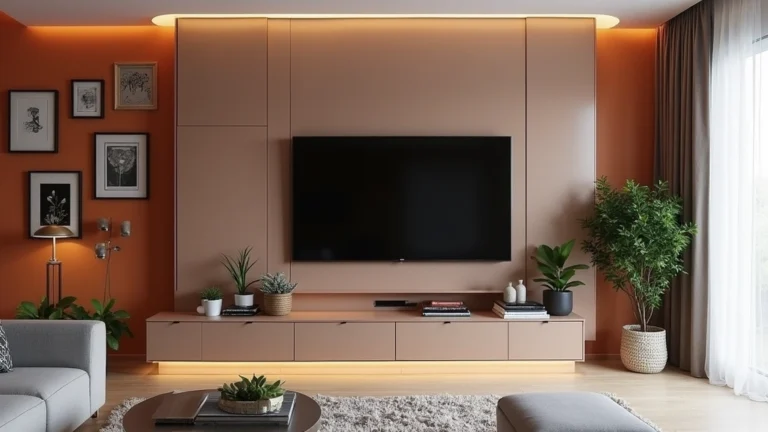
Lighting changes everything. Use layered lighting—ambient for general glow, task lighting for work or cooking, and accent lighting for personality.
In one small home I toured, the owner used LED strips under her kitchen shelves and warm Edison bulbs above her sofa. The result? The same room could feel like a workspace at noon and a cozy lounge at night. Lighting defines mood and function without requiring physical separation.
16. Built-In Seating and Storage Combos
Built-ins are the tiny home equivalent of superpowers. A window seat with storage drawers, a built-in sofa with hidden compartments, or a reading nook tucked under stairs—all maximize every cubic inch.
They also make your home feel cohesive, designed specifically for your lifestyle. Built-ins prevent wasted nooks and eliminate bulky standalone furniture, creating flow and balance.
17. Use Natural Materials for Warmth
Small spaces benefit from texture and authenticity. Wood, bamboo, cork, stone, or even recycled metal give depth and character. When everything’s compact, these details become focal points.
In my own small cabin project, I used reclaimed barn wood for the flooring—it added warmth, durability, and a story. Every knot and grain pattern makes the house feel alive rather than mass-produced.
18. Go Green—Literally—with Indoor Plants
Plants are the soul of a tiny home. They purify the air, add color, and create visual softness. Hanging planters or vertical garden walls can turn bland corners into lush mini jungles.
NASA research shows that indoor plants can reduce toxins by up to 87% in the air. That’s not just aesthetics—it’s wellness. Start with low-maintenance types like pothos or succulents to add natural calm to your cozy space.
19. Compact Appliances and Smart Tech
Technology has caught up with tiny living. There are now combo washer-dryers, under-counter fridges, and tankless water heaters designed for small homes. Add smart thermostats or app-controlled lighting, and you can manage energy from your phone.
Tiny doesn’t mean primitive—it means intelligent design. Embracing tech helps keep your home modern, efficient, and surprisingly comfortable.
20. Loft Alternatives: Murphy Beds and Elevators
Lofts aren’t for everyone. If climbing isn’t your thing, Murphy beds (fold-down beds) or elevator beds that raise and lower from the ceiling are genius alternatives.
These solutions let you maintain open living areas during the day and convert them to sleeping quarters at night—smooth and simple. It’s like your home shapeshifts while you’re not looking.
21. Tiny House on Wheels (THOW) Design
Mobility adds another layer of freedom. Designing a tiny house on wheels means you can travel without leaving home. But this requires smart planning—lightweight materials, aerodynamic shapes, and weight distribution are key.
Most THOWs stay under 13.5 feet tall and 8.5 feet wide to meet road regulations. Yet within those limits, you can craft incredible layouts that feel like full homes on the move.
22. Incorporate Outdoor Storage Solutions
If your lot allows, use exterior storage creatively. A small shed, bench with hidden compartments, or even roof-mounted boxes can hold tools, bikes, or gear. Keeping bulky items outside maintains indoor serenity.
Think of it as decluttering your life twice—inside and out. The cleaner your visual space, the larger your home feels.
23. Personal Touches That Tell Your Story
A tiny house is deeply personal. Every item should earn its place, either through function or meaning. Display art, souvenirs, or photos that truly represent you.
I’ve seen tiny homes where one wall was dedicated to travel memories—a small world map surrounded by postcards. In limited space, those little touches turn a structure into a story.
24. Sustainability as a Lifestyle, Not a Trend
The essence of tiny house living is sustainability. Use eco-friendly materials, rainwater collection systems, and composting toilets. Consider your carbon footprint with every design decision.
This isn’t just about saving space; it’s about living intentionally. The less you consume, the more freedom you gain—financially, emotionally, and environmentally. Tiny houses remind us that abundance isn’t about size; it’s about satisfaction.
Conclusion on 24 Tiny House Design Ideas
Tiny houses prove that less truly can be more. Each design idea—whether it’s a clever storage trick, a light-filled loft, or a fold-out patio—shows how creativity transforms constraint into comfort.
What makes tiny homes beautiful isn’t just the architecture—it’s the mindset behind them. You begin to value quality over quantity, clarity over clutter, and experiences over excess.
Whether you’re building your own, dreaming about downsizing, or just curious about minimalist living, remember this: a tiny house isn’t small living—it’s smart living. You gain more time, more freedom, and ironically, more space to enjoy what truly matters.
So start designing boldly, think vertically, choose intentionally, and craft a home that feels big in all the ways that count.